

Blogs
- Home
- / Blogs
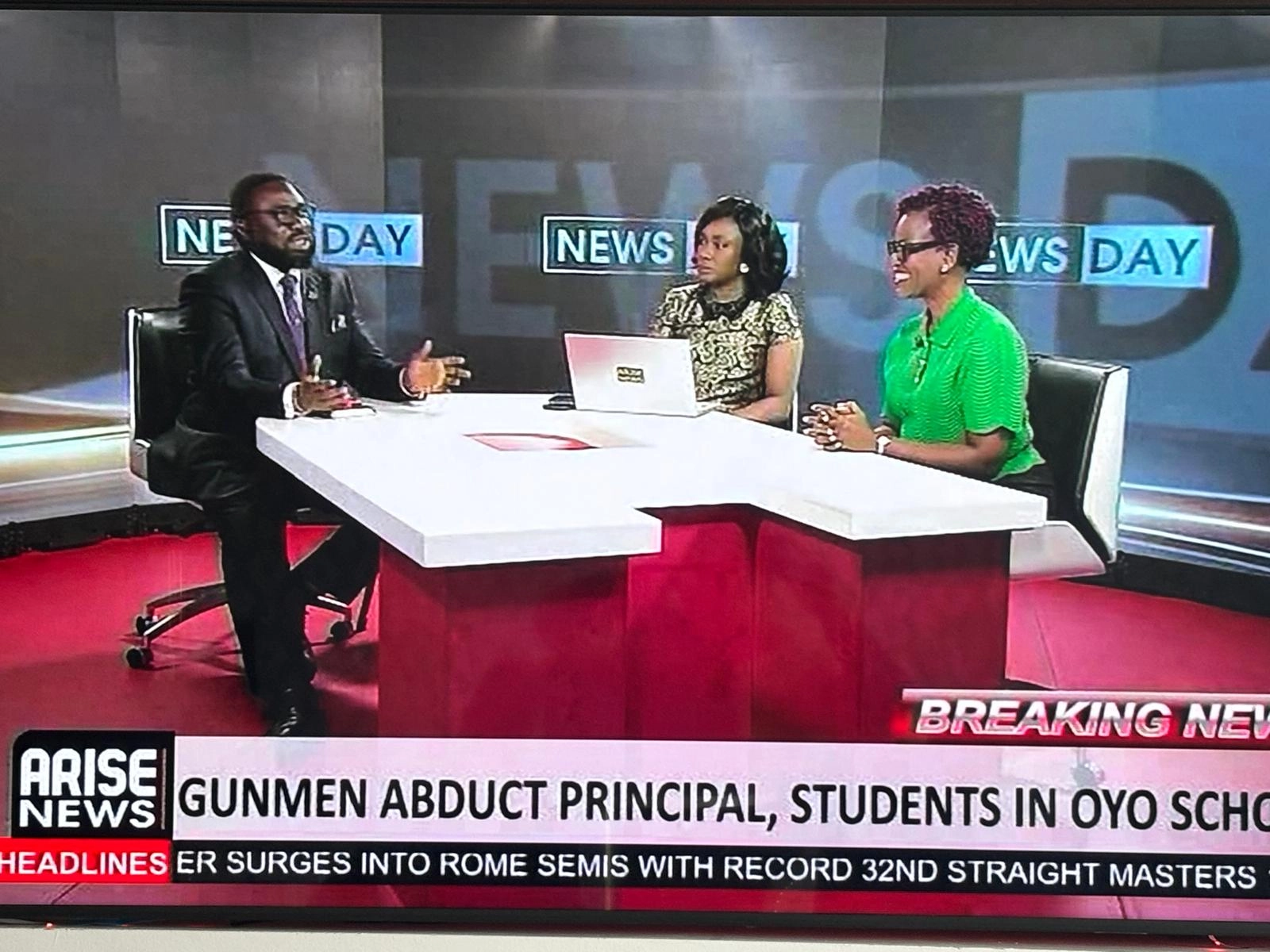
Imagine sending your child to school on a Friday morning and never seeing them come home.
That is the reality thousands of Nigerian families now live with. On May 15, 2026, it became a reality for families in Ahoro-Esinele, a quiet community in the Oriire Local Government Area of Oyo State.
Gunmen riding motorcycles descended on three schools almost simultaneously: Baptist Nursery and Primary School in Yawota, Community Grammar School, and L.A. Primary School in Esiele. They came in the early hours, during morning assembly, when children were gathered and most vulnerable. They shot sporadically. Teachers, students, and the Vice Principal, Mrs. Alamu Folawe, were dragged away into the forests. An Assistant Headmaster, Mr. Adesiyan, was killed during the attack. An Okada rider was shot dead for refusing to hand over his motorcycle to the fleeing assailants.
By Sunday, May 17, a video had gone viral showing the beheading of one of the abducted teachers, Michael Oyedokun — a gruesome public message from the gunmen about the fate that awaits those still in captivity.
The community of Ahoro-Esinele is in mourning. So is the rest of Nigeria.
A Pattern That Has Gone On Too Long
What happened in Oyo is horrifying. It is also, painfully, not new.
Since the abduction of 276 schoolgirls from Chibok in April 2014, a crime that shocked the world and gave Nigeria a wound it has never fully healed from, the targeting of schools has become one of the most disturbing features of the country’s security crisis. In December 2020, over 300 boys were taken from a boarding school in Kankara, Katsina. In February 2021, students were seized in Kagara and Jangebe. In March 2024, gunmen on motorcycles abducted 287 pupils from a government secondary school in Kaduna. In November 2025, 25 schoolgirls were kidnapped from a school in Kebbi State, and just three days later, 303 children and 12 teachers were taken from St. Mary’s Catholic School in Niger State, in what became the single largest school abduction in Nigeria’s history.
Between January 2023 and late 2025 alone, at least 816 pupils were taken in 22 separate school attacks. Since 2014, the cumulative toll has reached over 2,400 children, a staggering number that does not even account for all the children who never returned.
And now, Oyo.
What makes the Oriire attack particularly significant is where it happened. School kidnappings have historically been concentrated in the north, in Borno, Niger, Kebbi, Katsina, Zamfara, and Kaduna. That was already a national crisis. But Governor Seyi Makinde of Oyo State himself warned that terrorists displaced by military operations in the north-west were moving southward, filling gaps wherever security presence is thin. The bandits in Oriire, he said, are believed to be members of armed groups pushed out of northern territories and now finding new terrain in the south-west.
No part of Nigeria is immune. That is the message being written in the blood of children.
Why Children? Why Schools?
It is a question that should not need asking, but the answer reveals the cold logic behind these crimes.
Schools are deliberate targets, not incidental ones. Security analysts have noted that armed gangs see schools as strategic: they attract media attention, create maximum emotional impact on families, and most critically, they generate ransom. Between July 2023 and June 2024 alone, kidnappers across Nigeria demanded approximately ₦11 billion in ransom payments. For criminal networks, children are currency.
The ransom economy feeds on desperation, on the love of parents who will do anything to bring their children home. It feeds on the slow pace of security response in remote, underserved communities, places like Ahoro-Esinele, where the Chairman of Oriire LGA himself admitted that the area is far from the nearest police station and difficult to access quickly.
The attackers in Oyo reportedly fled into forests bordering the Old Oyo National Park, terrain that is forested, vast, and nearly impossible to quickly comb. By the time military and police units arrived, the assailants had vanished.
What This Means for Education
Beyond the immediate horror, there is a quieter damage being done, one that threatens to outlast any single attack.
When schools become targets, children start associating learning with danger. Parents in communities near Oriire have begun keeping their children home. The Oyo State Universal Basic Education Board ordered the immediate closure of all primary schools in Oriire and three neighbouring local government areas, Surulere, Oyo East, and Olorunsogo, as a precautionary measure.
Closed schools. Empty classrooms. Children who should be learning, at home and afraid.
Education advocates have repeatedly warned that insecurity around schools does not just disrupt learning at the moment, but it erodes trust in the education system itself. When a parent has to weigh their child’s safety against their future, many will choose safety. Enrolment drops. Attendance falls. Girls, often the most vulnerable, are frequently withdrawn first and permanently.
For a country already grappling with one of the largest out-of-school child populations in the world, this is not a minor disruption. It is a deepening wound in an already struggling system.
The Response Cannot Be Business As Usual
Nigeria is a signatory to the Safe Schools Declaration, a commitment to protect education during conflict and insecurity. And yet the attacks continue. The Nigerian Senate, as recently as November 2025, ordered a full investigation into why funds set aside for the Safe Schools programme had apparently failed to protect children.
The pattern is clear: attacks happen, condemnations follow, investigations are announced, and then the cycle begins again.
This cannot continue.
The Oyo attack must be a turning point, not another headline that fades. Security agencies must pursue the Oriire abductors with every available resource until every child and teacher is safely returned. Families deserve answers, not press statements.
But beyond this immediate crisis, there must be a structural rethinking of how Nigeria protects its schools. More security deployment in rural communities. Intelligence-sharing between states, especially as armed groups move across boundaries. Community early warning systems. And above all, real accountability for how public funds designated for school safety are spent.
Our Commitment
At IA-Foundation, our mission is to ensure that every child has access to education, not just in theory, but in practice, safely, and without fear.
What happened in Oyo is an attack on that mission. It is an attack on every child’s right to sit in a classroom and learn, to dream, to become. When schools are targeted, the future of a nation is what the attackers are really holding for ransom.
We stand with the families of Ahoro-Esinele. We mourn with them. We call on federal and state authorities, security agencies, community leaders, and every Nigerian who believes in the future of this country to demand urgent, decisive, and sustained action.
We pray for the safe return of every abducted child, every teacher, every staff member still in captivity.
And we refuse to accept that this is simply how things are.
A nation that cannot protect its children is gambling with everything.
IA-Foundation works to keep out-of-school children in education by providing support for their basic educational needs. If you believe every child deserves to learn in safety and dignity, consider supporting our work.
Nigeria continues to face one of the world’s largest out-of-school children crises, with millions of children deprived of access to quality education. Northern Nigeria remains the most affected region, where poverty, insecurity, child labour, and social barriers continue to prevent children from attending school.
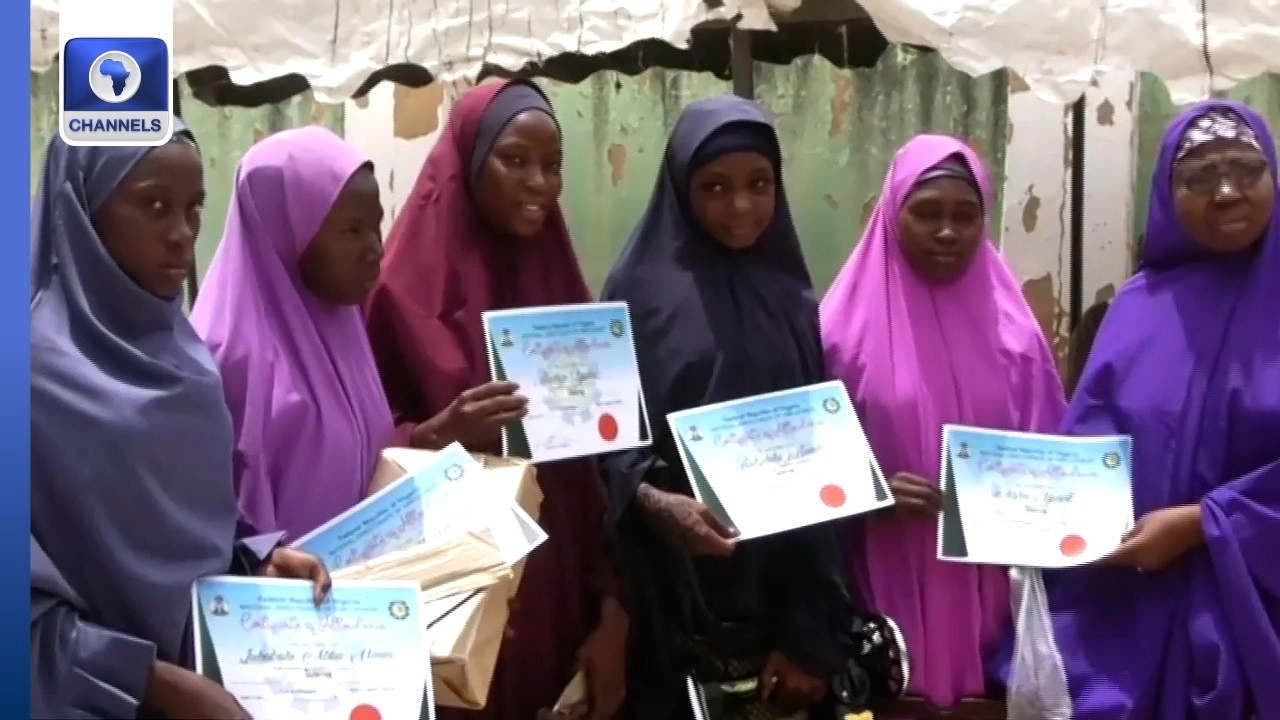
Recently, a major intervention by the European Union (EU) brought renewed hope to vulnerable children in Jigawa State as 411 out-of-school children were empowered through educational and vocational support programmes.
This initiative highlights the urgent need for collaborative efforts in tackling Nigeria’s education crisis and restoring hope to vulnerable communities.
The EU Intervention in Jigawa State
The programme, implemented by Save the Children International (SCI) with support from the European Union, focused on empowering out-of-school children and youths across Gwaram, Babura, and Kafin Hausa Local Government Areas of Jigawa State.
The beneficiaries received:
- Literacy and numeracy education
- Vocational and life skills training
- Income-generating support kits
- Empowerment tools for self-reliance
- Certificates upon completion of training
The initiative was carried out under the Accelerating Basic Education and Livelihood Opportunities for Children and Youth (ABEP) project, designed to reduce the growing number of out-of-school children in northern Nigeria.
The programme also partnered with agencies including the National Directorate of Employment (NDE) and the State Agency for Mass Education (SAME) to ensure sustainable implementation and community impact.
Why This Matters
For many children in northern Nigeria, education is often interrupted by poverty, displacement, insecurity, or the need to support family income. As a result, thousands of children are forced into street hawking, domestic labour, or early marriage instead of classrooms.
Interventions like this are important because they do more than provide temporary assistance, they create pathways to long-term empowerment.
By equipping vulnerable children with practical skills and educational support:
- Families can improve their economic stability
- Young girls become less vulnerable to early marriage
- Communities experience reduced poverty and social exclusion
- Youths gain opportunities for self-reliance
- The cycle of illiteracy can gradually be broken
Behind every statistic is a child with dreams, potential, and the desire for a better future. Programmes like this give many children a second chance at hope and dignity.
Nigeria’s Growing Out-of-School Children Crisis
Nigeria currently has one of the highest numbers of out-of-school children globally, with northern states carrying a significant share of the burden. Several factors continue to fuel the crisis, including:
- Economic hardship
- Insecurity and displacement
- Lack of access to quality schools
- Gender inequality
- Cultural and social barriers
- Poor learning infrastructure
Without urgent intervention, millions of children risk being permanently excluded from education and economic opportunities.
This is why government agencies, international organisations, NGOs, and community stakeholders must continue working together to expand access to education and child empowerment programmes.
The Role of NGOs and Development Organisations
Non-governmental organisations and education-focused charities continue to play a critical role in reducing the number of out-of-school children across Nigeria.
Through school sponsorships, advocacy campaigns, mentorship programmes, vocational training, and educational support initiatives, organisations are helping vulnerable children return to learning and rebuild their futures.
At IA-Foundation, we strongly believe that every child deserves access to quality education regardless of their background or circumstances. Education remains one of the most powerful tools for breaking the cycle of poverty and creating lasting social change.
The Way Forward
While empowering 411 children is a commendable achievement, millions of children across Nigeria still remain outside the classroom. Sustainable progress will require:
- Increased investment in education
- Stronger child protection systems
- Community awareness campaigns
- Improved access to rural education
- More vocational and digital skills programmes
- Partnerships between governments, NGOs, and development agencies
Ending the out-of-school children crisis in Nigeria will require collective responsibility and long-term commitment from all stakeholders.
Conclusion
The European Union’s empowerment of 411 out-of-school children in Jigawa State represents more than just a social intervention, it is a reminder that meaningful change is possible when organisations invest intentionally in children and education.
By combining literacy, vocational training, and economic empowerment, the initiative provides vulnerable children with the opportunity to learn, grow, and build a better future.
As advocates for education and child development, we must continue supporting initiatives that give every child a chance to succeed and thrive.
Somewhere in Zamfara, a nine-year-old girl wakes up before dawn to fetch water. She won’t be going to school today. She didn’t go yesterday either. In fact, she has never sat in a classroom, not once in her short life.
Her name could be Halima. Or Chisom. Or Blessing. The truth is, she has millions of names. Because in Nigeria today, 18.3 million children are out of school, and most of them didn’t choose to be.
Nigeria Holds a Record No Country Should Want
According to UNICEF, Nigeria is now home to the largest number of out-of-school children in the entire world. Not in the region. Not in Africa. In the world.
Let that sit for a moment.
Nearly 1 in every 7 out-of-school children on the planet lives in Nigeria. Only 63% of primary school-age children attend school with any regularity, meaning nearly four in ten Nigerian children are missing out on a foundational education during the most critical years of their development.
And the trajectory is going in the wrong direction. The number of out-of-school children has climbed steadily from roughly 10.5 million in 2013 to 18.3 million in 2024. Decade of reforms. Decade of growth. Yet the crisis deepens.
Why Are So Many Children Not in School?
There’s no single villain in this story. The reasons are layered, systemic, and deeply human.
Poverty is the most immediate barrier.
When a family is choosing between feeding their children and sending them to school, survival wins. School fees, uniforms, textbooks, even in public schools where education is technically free, these costs add up quickly, and for millions of Nigerian households, they are simply out of reach.
Geography and insecurity have made classrooms dangerous. In the North-East, schools have been attacked, shuttered, or abandoned. In Borno, Adamawa, and Yobe states alone, 113 schools were closed due to insecurity. In some local government areas in Zamfara, Kebbi, and Borno, school enrolment rates fall below 40%. For parents watching conflict unfold around them, keeping children home feels like the only way to keep them safe.
Gender bias continues to shut girls out. Particularly in northern Nigeria, cultural expectations still push girls toward early marriage and domestic responsibilities rather than education. The result is a gender gap that robs girls of the tools they need to shape their own futures.
Chronic underfunding has left schools in decay. Nigeria’s 2025 national budget allocates just 7.3% to education, far short of the 15–20% UNESCO recommends for countries committed to universal education. With less than half of that directed toward primary schooling, the consequences are visible in every crumbling classroom: overcrowded desks, untrained teachers, and not a textbook in sight.
What Happens to a Child Who Never Goes to School?
It’s tempting to think of this as an education problem. It’s not. It’s a life problem.
Children who miss out on schooling are more likely to live in poverty as adults. They’re more vulnerable to exploitation, early marriage, and recruitment by criminal or extremist groups. They’re less equipped to navigate health systems, civic life, or the job market. And when they become parents, the cycle often begins again, with their own children.
One uneducated generation doesn’t just hurt itself. It reshapes the next one.
Conversely, the evidence for what education can do is overwhelming. A child who completes primary school is more likely to earn a stable income, make informed health decisions, and raise children who also go to school.
Education doesn’t just change one life. It changes families. Communities. Nations.
The Government Is Not Enough
To be fair, there have been efforts. The Universal Basic Education Commission exists. Laws have been passed. In 2023, the World Bank approved a $700 million loan to Nigeria partly targeting the education crisis. Some states, Enugu, Jigawa, Kano, Kaduna, have moved to allocate over 26% of their own budgets to education in 2025.
But progress has been inconsistent. Policy implementation remains weak. Corruption continues to divert funds. And 18.3 million children are still waiting.
The government cannot solve this alone. And in the meantime, real children are growing up without the basic right to learn.
This Is Why IA-Foundation Exists
At IA-Foundation, we believe that no child should lose their future because of circumstances beyond their control.
We work directly with out-of-school children, covering the basic educational needs that stand between them and a classroom. School fees. Learning materials. The practical, tangible things that make the difference between a child who goes to school and one who doesn’t.
Our model is simple, because the need is urgent. We don’t wait for policy change. We meet children where they are and walk them back into education, one at a time.
But we can only do this with people who care.
What You Can Do Right Now
If you’ve read this far, you already care, and that matters more than you know.
You can give monthly. Our Monthly Giving Programme lets you support a child’s education consistently, starting from whatever amount works for you. Regular giving means we can plan ahead, commit to more children, and build the kind of stability that one-off donations can’t always provide.
Start giving today
https://ia-foundation.org/monthly-giving/
You can share this. Most people don’t know Nigeria holds this record. Awareness changes conversations, and changed conversations eventually change policy and behaviour.
You can volunteer or partner with us. If you’re an organisation, a school, or a professional who wants to do more, we’d love to hear from you.
The Number Is 18.3 Million. But Each One Is a Child.
It’s easy to go numb to statistics. 18.3 million is an abstraction, too large to feel, too vast to fully grasp.
But behind every digit is a face. A name. A kid who would love to read, to learn, to sit in a classroom and discover what they’re good at. A child who deserves the same chances as any other child, anywhere in the world.
That child is waiting.
Let’s not make them wait any longer.
There’s a moment every teacher knows. A question hangs in the air, and somewhere in the room, a child’s hand shoots up, eager, certain, alive with the thrill of knowing something. It’s a small moment. But it means everything.
Now imagine a child who never gets that moment.
Not because they’re not smart enough. Not because they don’t care. But simply because they were never in the room.
Across Nigeria and beyond, millions of children wake up every morning without a school to go to. Not millions in the abstract, not millions as a statistic scrolling past on your phone, millions of real children with real names, real dreams, and real potential that the world is quietly allowing to go to waste.
At IA-Foundation, we refuse to accept that.
The Out-of-School Crisis: What the Numbers Don’t Tell You
Nigeria is home to the largest population of out-of-school children in the world, over 10 million, by the most conservative estimates. That figure is staggering. But numbers have a way of numbing us.
What the numbers don’t tell you is what it looks like on the ground.
It looks like a 9-year-old girl named Amaka, who helps her mother sell tomatoes at the market each morning because the family can’t afford both food and school fees. She’s quick with sums, she can calculate change faster than most adults, but nobody in her world has ever told her that this makes her good at mathematics.
It looks like a 12-year-old boy in a rural community two hours from the nearest secondary school, who has already accepted that education simply isn’t something that happens to people like him.
It looks like potential, quietly dimming.
Why Children Fall Out of School — And Why It’s Not Their Fault
When people think about out-of-school children, they often assume something went wrong, that a child dropped out, gave up, or fell behind. The truth is far more complicated, and far less fair.
Children leave school, or never enter it, for reasons that have everything to do with circumstance and nothing to do with character.
Poverty is the most obvious driver. When a family is choosing between school fees and dinner, dinner wins. It has to. But poverty isn’t the only force at work. Distance matters, communities without nearby schools see attendance collapse, especially for girls. Safety matters, families in conflict-affected areas pull children home to keep them alive. Early marriage, child labour, disability, and the simple absence of functioning school infrastructure all play a role.
These aren’t excuses. They’re realities. And addressing them requires more than goodwill, it requires strategy, presence, and sustained commitment.
What IA-Foundation Actually Does
We don’t just talk about the crisis. We work inside it.
IA-Foundation operates at the intersection of community trust and systemic change. We work directly with families, local leaders, and the children themselves to understand why a child is out of school, and then we do something about it.
That might mean providing financial support so that school fees are no longer a barrier. It might mean working with a community to address the cultural or logistical factors keeping girls at home. It might mean connecting a child with an alternative learning pathway when the traditional school system has failed them.
Every child’s situation is different. That’s why we don’t do one-size-fits-all.
What we do, always, is show up.
Education Is Not a Privilege. It’s a Right.
There’s a version of this conversation where education gets framed as a gift , something fortunate children receive, something charitable organisations bestow. We reject that framing entirely.
Education is a right. It’s enshrined in international law. It’s the foundation of every other right a child will exercise for the rest of their life. When a child doesn’t go to school, they’re not missing out on a privilege. They’re being denied something they are owed.
Reclaiming that right, fighting for it, funding it, building the structures that protect it, is not optional. It’s urgent.
The Ripple Effect Nobody Talks About
Here’s something worth sitting with: when you help one child return to school, the benefits don’t stop with that child.
Studies consistently show that educated children go on to raise healthier, better-educated families of their own. Communities with higher school enrolment see lower rates of poverty, better health outcomes, and greater civic participation. An educated girl, in particular, becomes a force multiplier for change in her community.
The child who gets to raise their hand in class today is the mother, engineer, teacher, or leader who transforms her community tomorrow.
That’s not sentiment. That’s evidence.
Here’s How You Can Help
IA-Foundation is powered by people who believe that every child deserves a chance. If that’s you, here’s where you come in:
- Share this post. Awareness is the first step. Every share brings more eyes to a crisis that doesn’t get enough attention.
- Your contribution, whatever its size, goes directly toward getting children back into education. No child should be out of school because of money.
- Whether you have skills in education, communications, fundraising, or community outreach, we want to hear from you.
- Talk to your networks. Ask questions. Demand better. Governments and institutions respond to pressure from informed, engaged citizens.
A Final Word
Amaka is still at the market. For now.
But she doesn’t have to stay there. Not if enough people decide that her potential matters, that her future is worth fighting for, worth funding, worth showing up for.
At IA-Foundation, we’ve already decided. We hope you’ll join us.
IA-Foundation is a non-profit organisation committed to getting out-of-school children back into education. Learn more about our work or get involved at http://www.ia-foundation.org
Amara is nine years old. She wakes before sunrise every morning, helps her mother fetch water, then spends her day minding her younger siblings while the school bell rings somewhere in the distance. She can write her name, just about, and count to twenty. But Amara has never sat in a classroom. She has never held a report card or solved a maths problem on a chalkboard.
Amara is not a statistic. But she is part of one, and it’s a statistic the world keeps trying to look away from.
250M+
Children worldwide currently out of school
~60%
Are girls, disproportionately affected across Sub-Saharan Africa
1 in 5
Children of primary-school age in developing regions never enrol at all
These numbers are enormous. And when numbers get enormous, they stop feeling real. They become policy language, donor reports, footnotes in speeches. Meanwhile, children like Amara keep growing up, smart, curious, capable, but shut out of the one thing that could open every door.
That is exactly why IA-Foundation exists. Not to manage a crisis from a distance, but to walk into communities, sit with families, and do the patient, unglamorous, necessary work of getting children back into learning.
Why Do Children Fall Out of School in the First Place?
If you’ve never had to pull a child from school, it’s easy to assume the reasons are simple, poverty, neglect, indifference. The truth is far more tangled, and far more human.
Poverty is the root, but it branches in many directions.
For many families, keeping a child in school is a genuine sacrifice. School fees, uniforms, exercise books, the cost of transport, these are not small things when a household is surviving on the edge. Older children, especially girls, are often needed at home to contribute economically or to care for younger siblings. It is not heartlessness. It is survival arithmetic.
Distance is underestimated.
In rural areas, the nearest school can be five, eight, ten kilometres away. A long walk for an adult is a dangerous journey for a seven-year-old, particularly in communities where roads are unpaved, seasons are harsh, and girls face real safety risks travelling alone.
The school itself can be the problem.
Overcrowded classrooms. Undertrained teachers. A curriculum taught in a language the child doesn’t speak at home. For children who have already fallen behind, returning to a formal classroom can feel humiliating. The system doesn’t always know how to welcome them back.
“The question is never whether these children can learn. The question is whether we have built spaces worthy of them.”
What IA-Foundation Actually Does
There are organisations that write about the problem. IA-Foundation is one that works on it, on the ground, in the community, with the child at the centre.
Our approach starts with identification. Before a child can be helped, they have to be seen. We work with community liaisons, local leaders, and parents to find the children who have slipped through the cracks, the ones who are old enough for school but aren’t there. The ones hiding in plain sight.
From there, the work is about trust. Trust with parents who are understandably sceptical. Trust with children who may associate school with failure or embarrassment. Trust with communities who have been promised things before and seen nothing change.
We do not parachute in solutions. We build them locally, flexible learning spaces, bridge programmes for children who need to catch up, support systems for families who need more than just a classroom to make attendance sustainable. Every intervention is shaped by the people it serves.
The Cost of Doing Nothing
It is worth saying plainly: the cost of leaving these children without education is catastrophic, not just for them, but for all of us.
A child who doesn’t complete basic education is dramatically more likely to live in poverty as an adult, more vulnerable to exploitation, more likely to experience poor health outcomes, and less able to participate in the economic and civic life of their community. Multiply that by millions, and you have a generational crisis that compounds itself.
Education is not a luxury. It is the infrastructure on which everything else rests. Health. Stability. Economic growth. Democracy. All of it depends on people who were taught to think, to read, to reason. When we leave children behind, we are dismantling that infrastructure brick by brick, slowly, quietly, and at enormous future cost.
“Every child who falls through the cracks today is a bridge we failed to build for tomorrow.”
What Change Actually Looks Like
Change, in this work, doesn’t always look dramatic. It looks like a mother who finally says yes. It looks like a boy who used to spend his afternoons doing nothing now sitting in a circle with other children, sounding out words he didn’t know last month. It looks like a teenage girl who was told school was not for her discovering, quietly but powerfully, that she was wrong.
These are small victories. We don’t pretend otherwise. But they are real ones, and they ripple. A child who learns to read becomes an adult who can read to their own children. A girl who stays in school becomes a woman who insists her daughter does too. Progress in education is slow, but it is also durable. It echoes forward through generations.
That is what IA-Foundation is building, not just school attendance today, but a culture of learning that survives beyond any single programme or donation cycle.
How You Can Be Part of This
If you’ve read this far, something in you already cares. That matters. Caring is where everything starts.
You don’t have to be a philanthropist or a development economist to make a difference. The truth is, the most powerful thing most of us can do is choose to show up in some way, however small, for a child we’ll never meet.
Join the Movement
Every contribution, of money, time, or voice, puts a child closer to a classroom. Here’s where you can start:
Donate Today
Volunteer with Us
Share This Story
Amara, the girl at the beginning of this story, is fictional. But she is also entirely real, because there are millions of children just like her, right now, waiting for someone to decide they are worth the effort.
At IA-Foundation, we have made that decision. We hope you’ll make it with us.
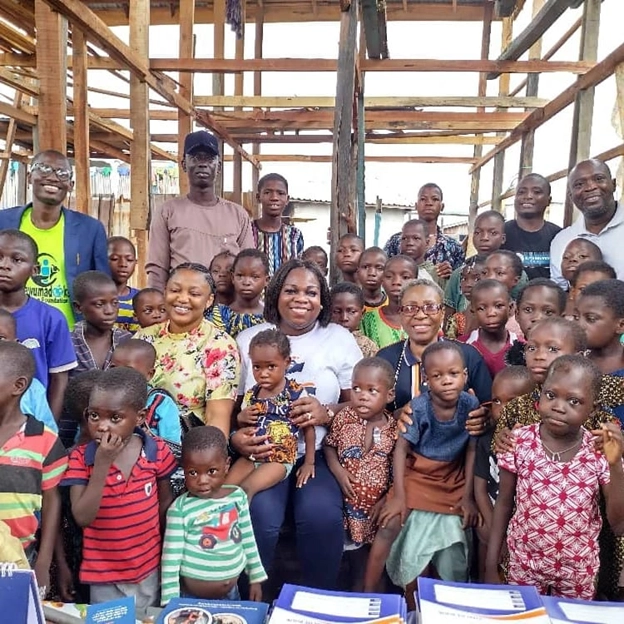
By IA-Foundation | Because every child’s story deserves a next chapter.
There is a particular kind of silence that follows a child who has never been to school.
It isn’t the peaceful quiet of a lazy Sunday morning. It’s the silence of a door that was never opened. Of a question that was never asked. Of a life that learned, early on, to shrink itself down, to want less, expect less, become less, because the world made it clear that some children are not part of the plan.
That silence is real. It lives in communities across the world, in the eyes of children who have never held a textbook, never written their own name, never sat in a classroom and felt the small, extraordinary thrill of understanding something for the first time.
At IA-Foundation, we hear that silence. And we refuse to let it be the final word.
There Are Millions of Them. And Most of Us Don’t Know.
Currently, as you read this, there are an estimated 250 million children out of school worldwide.
Two hundred and fifty million.
Children who are bright and curious and full of the same wild potential as any child. Children who laugh at the same things, who dream the same dreams, who deserve the same future, but who have been failed by poverty, by geography, by conflict, by systems that were never built with them in mind.
They are not invisible because they don’t matter. They are invisible because it’s easier to look away.
IA-Foundation exists to look toward them instead.
What Does It Mean to Be Out of School?
It means more than missing lessons.
It means growing up believing that learning is for other people. It means watching the world move forward while you stay still. It means arriving at adulthood without the tools to build the life you deserve, and being told, quietly or loudly, that this is simply the way things are.
It is one of the quietest forms of injustice in our world. And it is entirely, completely, preventable.
The Moment Everything Changes
Let us tell you about a girl, we’ll call her Fatou.
Fatou was ten years old when she first walked through the doors of one of our community learning hubs. She had been out of school for three years. She sat in the back row, arms crossed, eyes low. She had learned the hard way,not to raise her hand. Not to hope too loudly.
The first week, she barely spoke.
The second week, she asked a question.
By the third month, she was the one answering them.
Something had shifted. Not because of magic. Not because of a miracle. But because someone had finally looked at Fatou and said: you belong here. This seat is yours. Your mind matters.
That is what IA-Foundation does. We give children their seat back.
How We Do It — And Why It Works
Our work is built on a simple but powerful belief: no child should have to earn the right to an education.
We go to where children are, not where it’s convenient for us to be. We build community learning hubs in areas where schools are too far, too expensive, or simply not there. We recruit and train local educators who come from the same communities as the children they teach, because trust is the foundation of everything. We design flexible programmes that meet children where they are, not where the system expects them to be.
And we stay. Because the children who have been let down the most are often the ones who need the most consistency, someone who shows up on the hard days, not just the easy ones.
This Is Personal. For All of Us.
You might be reading this from a home with books on the shelves. You might have a memory of a teacher who believed in you, a classroom where something clicked, a qualification that opened a door.
Most of us take these things for granted. Not because we are ungrateful, but because we never had to imagine life without them.
The children IA-Foundation works with don’t have that luxury. But they have the same hearts, the same minds, the same hunger to understand the world. They are not less than. They have simply been given less.
That is something we can change. That is something you can be part of changing.
What You Can Do Today
You don’t need to be wealthy. You don’t need to be an expert. You just need to decide that these children are worth showing up for.
Share this post. The first step to change is awareness. The more people who understand what out-of-school children are facing, the harder it becomes to ignore.
Support our work. Every contribution, whatever you can give, goes directly into programmes that reconnect children with education. You could be the reason a child picks up a pen for the first time.
Spread the word. Talk about this. In your community, on your social media, at your dinner table. These children don’t have a platform. You do.
Volunteer. If you have skills in teaching, communications, fundraising, technology, or just showing up with heart, we want to hear from you. There is always room for people who care.
A World Where No Child Is Left Behind
We know that vision sounds ambitious. Maybe even impossible.
But we have seen what happens when a child who was written off begins to believe in themselves. We have watched quiet, withdrawn children become confident young people. We have heard mothers cry with relief because their daughter is finally learning to read. We have seen entire communities shift when they realize their children have a future, a real one, not a watered-down version.
Change is possible. It is happening. Right now, in the learning hubs, in the communities, in the eyes of children who are finally starting to understand that the world belongs to them too.
All it takes is for enough of us to decide it matters.
It matters.
IA-Foundation is a non-profit organisation dedicated to bringing education to out-of-school children. Join us. The children are waiting.
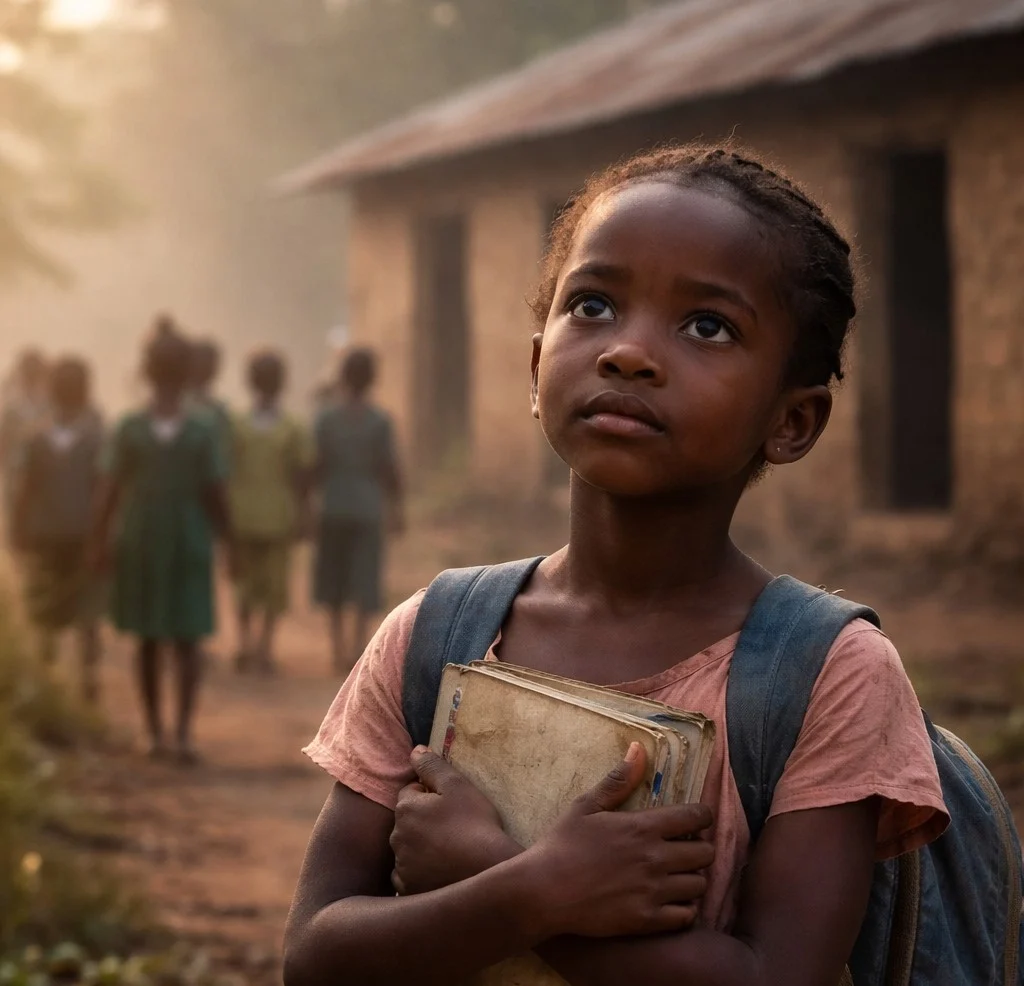
When a Child Is Ready to Learn but the World Says No
Millions of children in Nigeria are out of school despite their desire to learn. Discover the realities they face and how education NGOs are restoring hope.
Introduction: The Child Who Stayed Behind
Every morning, the road to school fills with energy, children in uniforms, laughter in the air, the quiet excitement of a new day of learning.
But not every child joins that walk.
Some stand at a distance, watching. Not because they don’t want to go.
But because something beyond their control is holding them back. This is the quiet reality for millions of children across Nigeria.
The Hidden Story Behind Out-of-School Children
The term “out-of-school children” is often used in reports and headlines. But behind it are real lives, children with dreams, questions, and potential waiting to be discovered.
Many of them are eager to learn, yet face barriers such as:
- Family responsibilities that come too early
- Limited access to nearby schools
- Lack of basic learning materials
- Social and environmental challenges
These are not children without ambition. They are children without access.
What Happens When a Child Is Left Out
When a child is denied education, the impact goes far beyond the classroom. A missed school day becomes missed opportunities.
Curiosity slowly fades into uncertainty.
Confidence gives way to limitation.
Over time, the absence of education shapes not just a child’s present, but their entire future.
Where Change Begins
Despite these challenges, hope is not lost.
Across communities, education-focused organizations are working quietly but powerfully to change this narrative. One such organization is IA-Foundation.
Their work is rooted in a simple belief:
Every child deserves access to quality education.
Through community engagement and targeted support, they help:
- Reintegrate children back into school
- Provide essential learning materials
- Support families navigating difficult circumstances
- Create safe and encouraging learning environments
For many children, this is the turning point.
From Uncertainty to Possibility
There is something powerful about a child who is given a second chance. A child once unsure of their future begins to dream again.
A classroom becomes more than a place to learn, it becomes a place of hope.
These transformations may not always make headlines, but they are happening every day, quietly reshaping lives and communities.
Why Education Changes Everything
Education is more than reading and writing. It is the foundation for:
- Confidence and self-worth
- Opportunity and independence
- Stronger, more resilient communities
When a child is educated, the impact extends far beyond the individual, it touches families, communities, and future generations.
A Shared Responsibility
The challenge of out-of-school children in Nigeria is complex, but not impossible to address.
It requires awareness.
It requires commitment.
It requires people who believe that every child matters.
Organizations like IA-Foundation continue to lead this effort, one child, one story, one future at a time.
Conclusion: The Children Still Waiting
Some children are still standing at the sidelines, watching others walk toward a future they long for.
They are ready to learn.
Ready to grow.
Ready to become.
All they need is the opportunity.
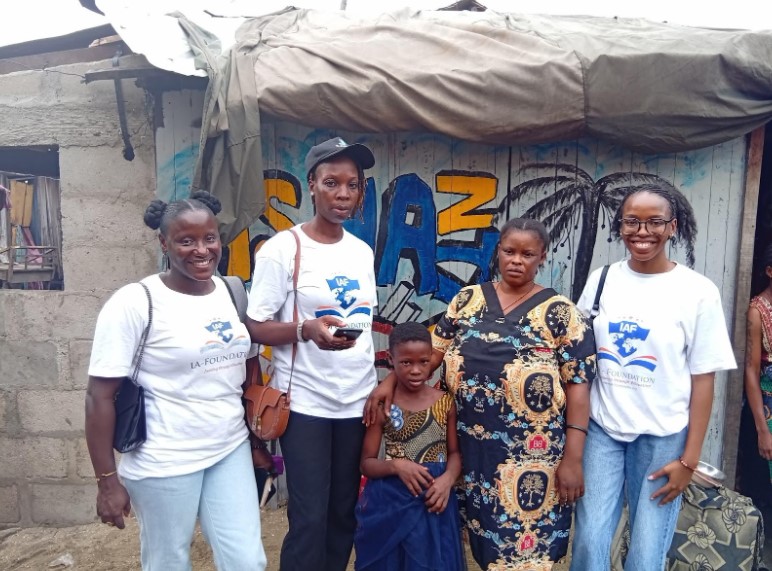
International Women’s Day 2026: Give to Gain – Investing in Girls, Transforming Futures
Every year on International Women’s Day, the world comes together to celebrate the achievements of women, reflect on progress made toward gender equality, and recommit to accelerating action for women and girls everywhere.
In 2026, the theme “Give to Gain” calls on individuals, organisations, and communities to adopt a powerful mindset: when we give opportunities, support, and resources to women and girls, society gains stronger families, healthier communities, and a more prosperous future.
At IA-Foundation, this theme resonates deeply with our mission of transforming lives through education. We believe that investing in girls’ education is one of the most powerful ways to create lasting change.
What “Give to Gain” Means
The “Give to Gain” campaign highlights the idea that giving is not a loss, it is an investment. When we give time, resources, mentorship, and opportunities to girls and women, we help unlock their full potential.
Across many communities in Nigeria and Africa, girls still face barriers that prevent them from accessing quality education. Poverty, cultural expectations, lack of school supplies, and family responsibilities often push girls out of school.
However, when these barriers are removed, the impact is transformational.
A girl who stays in school gains confidence, knowledge, and skills that empower her to shape her future. In turn, her success benefits her family, her community, and the wider society.
Giving access to education today creates leaders for tomorrow.
Why Girls’ Education Matters
Education is one of the most effective tools for breaking the cycle of poverty. When girls are educated, they are more likely to:
- Earn higher incomes
- Make informed health decisions
- Support their families and communities
- Contribute to economic growth
- Raise educated children
Educated women become change-makers who uplift others around them.
This is why organisations like IA-Foundation focus on removing barriers to education for vulnerable children. Every child supported represents a story of hope and transformation.
When we invest in girls’ education, we are investing in a stronger and more inclusive future.
How IA-Foundation Is Making a Difference
Since its establishment, IA-Foundation has remained committed to ensuring that children, especially those from disadvantaged backgrounds, have access to quality education.
Through various initiatives, the foundation works to address the challenges that keep children out of school.
Some of the key areas of impact include:
- Education and Bursary Scholarships for vulnerable children
- The Street-to-School Project, helping children return to the classroom
- Distribution of learning materials and school supplies
- Mentorship and capacity development programs for children
- Education advocacy and awareness campaigns
These efforts have helped hundreds of children return to school and thousands more access educational resources that support their learning journey.
Each intervention represents a step toward a future where no child is denied the right to education.
The Ripple Effect of Giving
Giving creates a ripple effect that goes far beyond a single act of generosity.
When a girl receives support to attend school:
- Her family gains hope
- Her community gains a role model
- Her country gains a future leader
The benefits multiply across generations.
The “Give to Gain” message reminds us that meaningful change often begins with simple acts of compassion and generosity.
Whether through financial support, volunteering, mentoring, or advocacy, everyone has a role to play in shaping a better future for girls.
How You Can Support Girls’ Education
As we celebrate International Women’s Day 2026, this is an opportunity for individuals and organisations to contribute to a world where every girl has the opportunity to learn and thrive.
Here are a few ways you can make a difference:
Sponsor a Child
Providing financial support for a child’s education helps cover school fees, books, and other learning materials.
Donate to Education Programs
Your contributions support initiatives that remove barriers preventing children from attending school.
Volunteer or Mentor
Sharing your knowledge, time, and experience can inspire and guide young girls toward achieving their dreams.
Advocate for Girls’ Education
Raising awareness about the importance of education helps create policies and environments that support girls’ learning.
Every contribution, no matter how small, moves us closer to a world where education is accessible to all.
Celebrating Women Who Give and Transform Lives
Women play an essential role in shaping communities and driving social change. Across the world, women are educators, mentors, entrepreneurs, leaders, and advocates working tirelessly to uplift others.
At IA-Foundation, we celebrate the incredible women who dedicate their time and resources to empowering the next generation.
Their commitment embodies the true spirit of “Give to Gain.”
A Call to Action This International Women’s Day
As we mark International Women’s Day 2026, we invite everyone to embrace the spirit of giving.
When we invest in girls’ education, we do more than support a child—we build a foundation for lasting change.
Together, we can ensure that every girl has the opportunity to learn, grow, and lead.
Because when we give opportunities to girls, the world gains a brighter future.
Support our mission today.
Partner with us, donate, or sponsor a child and help transform lives through education.
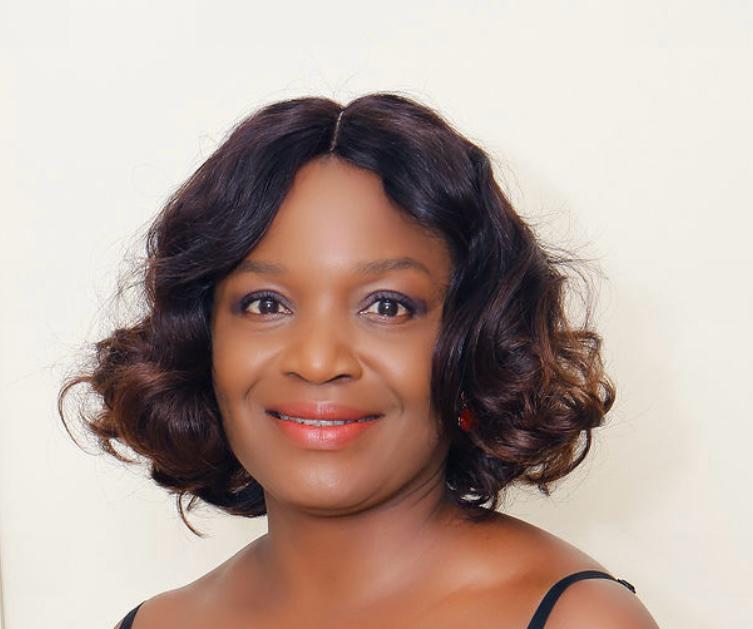
At IA-Foundation, we believe that every child deserves access to quality education, regardless of background, circumstance, or location. Our commitment to reducing the number of out-of-school children in Nigeria has guided every programme, partnership, and advocacy effort since our inception.
Today, we are proud to announce a significant milestone in our journey: the appointment of Ms. Olufunke Sotinwa as Executive Director.
Leadership Rooted in Strategy and Impact
Ms. Sotinwa brings over 20 years of distinguished experience in strategic leadership, business development, and partnership management. Her career journey, from Credit Analyst to Executive Vice President of Corporate Affairs and Strategic Partnerships at OBEDA Technologies, reflects a consistent track record of excellence, innovation, and results.
She has successfully secured multimillion-dollar investment partnerships and grants supporting both international development initiatives and impactful local projects. Her expertise spans government relations, stakeholder engagement, and social impact consulting, all critical pillars in building sustainable solutions for education access.
With an MBA and certification in Public-Private Partnerships (PPP), she brings both strategic insight and operational strength to IA-Foundation at a time when sustainable funding and collaborative partnerships are more important than ever.
Strengthening the Mission
Education challenges in Nigeria require more than goodwill, they require structure, funding models, policy engagement, and measurable impact. Ms. Sotinwa’s appointment positions IA-Foundation to:
- Expand sustainable funding partnerships
- Strengthen advocacy efforts
- Deepen community and government engagement
- Scale programmes that directly support vulnerable children
As we intensify efforts to reduce the number of out-of-school children through scholarships, mentorship, advocacy campaigns, and community outreach, her leadership will help accelerate growth and institutional sustainability.
A Shared Vision for the Future
Speaking on the appointment, the Founder of IA-Foundation shared:
> “IA-Foundation has always been driven by purpose and passion. With Ms. Sotinwa’s strategic leadership and proven expertise in partnerships and resource mobilization, we are entering a new phase of growth. Her appointment strengthens our capacity to deliver sustainable impact and reach even more children who need access to education.”
In her response, Ms. Sotinwa expressed her commitment to the Foundation’s mission:
> “Education remains one of the most powerful tools for transformation. I am honoured to join IA-Foundation at such a pivotal time and look forward to building strategic partnerships that will expand access, strengthen sustainability, and create measurable impact for children across Nigeria.”
Moving Forward with Purpose
The appointment of Ms. Olufunke Sotinwa marks more than a leadership change — it signals a renewed commitment to strategic growth, sustainable funding, and long-term impact.
As we enter this new chapter, we remain steadfast in our mission: to ensure that no child is denied the opportunity to learn, grow, and thrive.
Together, we will continue breaking barriers and transforming lives through education.
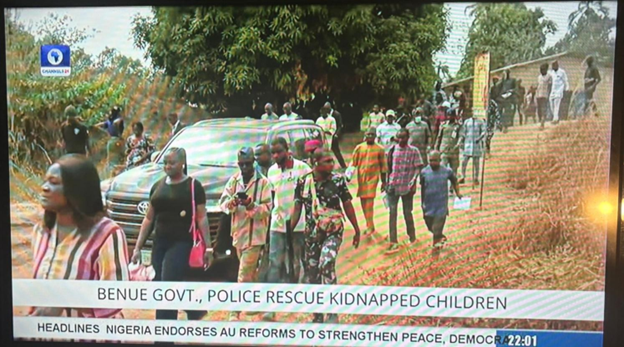
On February 8, nine children were kidnapped from a church in Benue State. On February 14, they were rescued.
The news of their safe return brought relief to families and communities. But this incident raises urgent concerns about child safety, insecurity, and the future of education in Nigeria.
Child Kidnapping and Insecurity in Nigeria
Kidnapping incidents involving children continue to highlight the broader security challenges facing Nigeria. While the safe rescue of these nine children is encouraging, the psychological and educational impact of such incidents cannot be ignored.
When children experience insecurity:
Attendance drops
- Learning is disrupted
- Trauma affects academic performance
- Parents withdraw children from school out of fear
Nigeria is already battling a high number of out-of-school children. Insecurity further deepens this crisis.
Child safety and education are inseparable.
A child who does not feel safe cannot thrive academically. Communities affected by insecurity often see increased school dropouts. Fear becomes a barrier to education.
For children in Benue and across Nigeria, the issue is not only about rescue, it is about reintegration and protection.
Authorities must ensure that rescued children:
- Receive psychosocial support
- Return safely to school
- Are protected from repeat incidents
Education must remain a safe space.
What the Government Must Prioritize
The recent Benue church kidnapping underscores the urgent need for:
- Strengthened security around schools and places of worship
- Enforced child safeguarding policies
- Improved intelligence and rapid response systems
- Long-term strategies to protect vulnerable communities
Rescue operations are important. Prevention systems are essential.
IA-Foundation’s Position on Child Safety
At IA-Foundation, we believe that removing barriers to education includes addressing insecurity.
Children cannot learn in fear.
We call on relevant authorities to ensure that the rescued children in Benue are fully supported and reintegrated into school without disruption.
Protecting children must be a national priority.
Conclusion: Safe Children, Stronger Nation
The safe rescue of the nine children in Benue is a moment of relief. But it must also be a moment of reflection and reform.
Child safety, education access, and national development are interconnected.
When children are safe, they can learn.
When they learn, they grow.
When they grow, Nigeria progresses.

Introduction
Valentine’s season is often associated with cards, flowers, and fleeting gestures. But beyond the celebrations lies a deeper question: what does lasting love really look like?
At IA-Foundation, we believe love is most powerful when it creates opportunity. Supporting education is one of the most meaningful ways to show love, not just for a moment, but for a lifetime.
Redefining Love Beyond Valentine’s Day
True love goes beyond romance. It is found in compassion, commitment, and action, especially when it uplifts the most vulnerable.
For many children in Nigeria, access to education is the difference between possibility and limitation. When donors choose to support education, they offer something greater than temporary comfort: they offer a future.
Why Education Is a Gift That Keeps Giving
Unlike chocolates or flowers, education does not fade. Its impact grows with time.
Through education:
●Children gain confidence and life skills
●Families experience hope and stability
●Communities become stronger and more resilient
This is why education is often described as one of the most sustainable forms of love.
Valentine’s Kindness in Action
Every Valentine season, acts of kindness remind us that love is meant to be shared. At IA-Foundation, donor support translates Valentine goodwill into real outcomes:
●Helping children return to school
●Supporting families facing hardship
●Providing learning materials and mentorship
●Keeping children off the streets and in classrooms
Each act of giving becomes a message of hope.
Choosing Love With Impact
Supporting education is a conscious choice to invest in long-term change. It is love expressed through responsibility, vision, and belief in human potential.
For donors, this choice reflects a powerful truth: love is not only felt, it is lived.
Beyond the Season: Continuing the Impact
Valentine’s Day may come and go, but the need for education remains. By continuing to support education-focused initiatives, donors help ensure that love extends beyond a single season.
At IA-Foundation, we remain committed to transforming lives through education, with love at the centre of all we do.
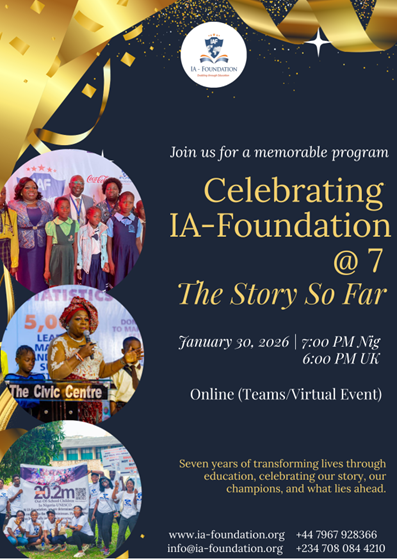
Date: Friday, January 30, 2026
Theme: Seven Years of Impact, Growth, and Commitment to Education
IA-Foundation proudly celebrated its 7th Anniversary, marking seven years of dedicated service to transforming lives through education. Since its inception, the Foundation has remained committed to reducing the number of out-of-school children in Nigeria by providing access to quality education for vulnerable, orphaned, and indigent children.
The anniversary celebration brought together board members, partners, volunteers, beneficiaries, and supporters, each of whom has played a meaningful role in advancing the Foundation’s mission and impact.
Seven Years of Impact: A Journey Worth Celebrating
The celebration began with a warm welcome from Modupeoluwa Ayeni, who set the tone for an evening of reflection, gratitude, and renewed commitment. She introduced the Founder and CEO, Ronke Adeagbo, whose vision and leadership have guided IA-Foundation over the past seven years.
In her address, Ronke Adeagbo highlighted key achievements that define the Foundation’s journey:
- 114 children supported through structured education interventions
- Increased access to schooling for vulnerable and orphaned children
- Continuous advocacy for education as a fundamental human right
- Strong partnerships with schools, donors, and community stakeholders
She emphasized that these achievements were made possible through collective effort, expressing heartfelt appreciation to donors, volunteers, ambassadors, and partners for their unwavering support.
Strengthening Governance and Organizational Structure
As IA-Foundation continues to grow, strengthening governance and internal systems remains a top priority to ensure long-term sustainability and impact.
The Foundation’s organizational structure includes:
- A Board
- Chairman and Vice Chair
- Ten Ambassadors
- Six active sub-committees
To further support growth and effectiveness, Ronke Adeagbo announced ongoing recruitment for key leadership roles, including:
- Chief Executive
- Head of Fundraising
- Head of Programs
Special recognition was given to:
- Ekemini Eseme, Communications Officer, for leading advocacy and visibility efforts
Opeyemi Adedara, Acting Program Manager, for driving program delivery and community engagement
These developments reflect IA-Foundation’s commitment to strong governance, professional development, and staff welfare.
Financial Performance and Accountability: 2025 Overview
Transparency and accountability remain central to IA-Foundation’s values. During the celebration, the 2025 financial report was presented, demonstrating prudent financial management and sustainable growth.
Key Financial Highlights (2025):
- Total Income: £54,000
- Total Expenditure: £48,000
- Surplus: £6,000
The Annual Charity Ball remained a major fundraising driver:
- Revenue: £23,000
- Cost: £16,000
Additional income sources included:
- Nearly £7,000 from regular donors
- £7,000 in grants
- Over £5,000 from child sponsorships
These funds directly supported education programs and strengthened operational capacity.
Scaling Impact: Future Plans and Strategic Partnerships
Looking ahead, IA-Foundation is focused on expanding its reach and adapting to emerging educational needs.
Key Future Initiatives Include:
- A strategic partnership with Dr. Tunji Alausa, Minister of Education, to support 200 out-of-school children in 2026
- Expansion of the Sponsor a Child Program
- Continued strengthening of governance and operational systems
- Investment in digital infrastructure, including the Foundation’s online portal
- Launch of a Digital Skills Program for Girls, with a focus on cybersecurity and future-ready skills
This initiative reflects the Foundation’s commitment to empowering girls and preparing beneficiaries for the demands of a rapidly evolving digital world.
Voices of Impact: Stories That Inspire Change
One of the most powerful moments of the anniversary celebration was hearing directly from those impacted by IA-Foundation’s work.
Loveth Tennyson shared a moving account of a child who returned to school after losing a parent, underscoring the life-changing power of education.
Beneficiaries and stakeholders also shared testimonies of how consistent educational support has restored hope, dignity, and opportunity to families.
Esther Noah, a child sponsor, spoke about a young girl she supports who now aspires to become a chartered accountant, illustrating the ripple effect of investing in education.
Appreciation, Leadership, and Gratitude
Special appreciation was extended to Modupeoluwa Ayeni for her outstanding service as Executive Assistant. She was recognized for her dedication, agility, and selfless commitment to IA-Foundation’s mission.
Goodwill messages from board members, staff, and partners reinforced:
- The importance of education as a tool for transformation
- The Founder’s visionary leadership
- The shared responsibility to protect every child’s right to education
How You Can Support IA-Foundation
As IA-Foundation enters its next phase, continued support from individuals and organizations remains essential.
You can support by:
- Donating to IA-Foundation
- Sponsoring a child’s education
- Partnering on education-focused initiatives
- Volunteering your time or professional expertise
- Advocating for out-of-school children in Nigeria
Every contribution, big or small, helps transform lives.
Looking Ahead: The Journey Continues
Seven years on, IA-Foundation stands as a testament to what is possible when purpose meets commitment. With strengthened governance, innovative programs, and a growing community of supporters, the Foundation remains resolute in its mission to ensure no child is left behind.
Together, we can continue transforming lives, one child, one community, and one future at a time.

